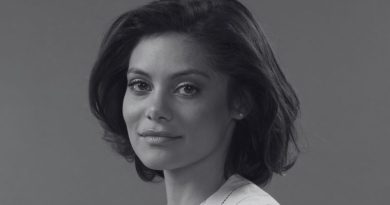
Julia Jansch on the Intuitive Magic of ‘From Dust We Spin’
Julia Jansch’s Oscar-contending documentary From Dust We Spin takes audiences into the high-octane world of car spinning on the Cape Flats. Yet, beneath the revving engines and tyre smoke lies a delicate, profoundly human story. In a recent interview with Stephen “Spling” Aspeling, the South African filmmaker revealed how her intuitive directorial style allows her to capture the raw emotional truths of her subjects, finding profound beauty in their brokenness.
The Intuitive Lens
Jansch, who has extensive experience across the filmmaking gamut, initially believed in tightly controlling her projects. However, she soon realised that being overly prescriptive “suffocated the end product”. Working with non-actors in documentaries taught her to relinquish the reins and let her subjects breathe.
“With documentary filmmaking you have to allow them to be who and what they are. You can’t change truth. You have to work with what you’ve got. And magic comes from that… the magic is in the human energy. And I think to be in touch with that is what makes for… a skill set I’ve learnt to enable me to do what I’m trying to do in a big way.”
By keeping a close watch on the emotional temperature of a scene rather than sticking to a preconceived plan, Jansch effectively creates a safe space for authentic narratives to unfold.
Escaping the Zero State
This openness to “human energy” was crucial when profiling Logan, the female spinner at the heart of From Dust We Spin. Initially envisioned as a political documentary about the fight to legalise the motorsport, the film’s focus shifted when veteran producers urged Jansch to look closer at the personal struggles of her subjects.
Logan was initially a “total closed book” who did not speak. Jansch soon discovered that Logan had been bullied, struggled with severe depression and had previously attempted to take her own life. Instead of forcing a narrative upon her, Jansch leaned into her silence.

“Her not being able to speak became the gold… The film became much less about how do you get spinning legal… and all about there’s a girl who’s at a zero state and how does she get to the infinity state, which as Mark describes it, the figure eight, the signature move in spinning that once you can master this move you can do anything.”
The documentary subsequently evolved into an intimate portrait of a young woman using motorsport as a literal and figurative vehicle to escape her pain.
Ashes and Empathy
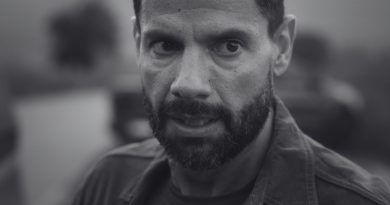
Alongside Logan is Mark, her “Mr. Miyagi”-esque mentor, who is quietly battling his own grief. Jansch allowed Mark’s emotional journey to surface organically over their 18 months of filming. The supportive, deeply empathetic environment she fostered allowed Mark to reach a profound catharsis on camera.

Jansch recalled a poignant moment during one of their daily commutes to Mitchells Plain:
“He said to me one day driving… ‘I think I’m ready to let go of my mum.’ And I was like, wow, that’s incredible Mark, and then can we film it? He was like, yeah.”
Towards the end of the interview, Spling aptly summarised Jansch’s thematic footprint as a documentary director, observing a recurring motif of exploring “fractured things and light coming in”. Jansch immediately agreed, responding with a definitive “Always”.
By trusting her intuition and the lived experiences of her subjects, Jansch has crafted a masterclass in empathetic filmmaking. From Dust We Spin stands as a testament to the fact that the most compelling cinematic stories are often found right where the cracks let the light through.