
‘Farmacy of Light’ Movie Review – Is It Worth Watching?
🎬 At a Glance
- Director: Ryan Wirick
- Screenplay: Rob Herring, Ryan Wirick
- Cast: Erik Cutter, Zach Bush, Mae-Wan Ho
- Genre: Documentary
Spling’s One-Liner: “An eye-opening but slightly overlong look at the healing power of organic produce and the gritty realities of urban farming.”
Final Verdict: 6/10
Farmacy of Light is a documentary that investigates the power of light when it comes to organic produce, while also following the journey of Erik Cutter, whose story was previously featured in the director’s previous documentary, The Need to Grow. Leaning into the same versus dynamic as its title, the film blends two contrasting elements that create a mostly engaging tension.
The first is a somewhat abstract study of how sunlight enriches the foods we eat, why fresh food is vital for optimum nutrition, and how reducing the time from garden to table is a goal everyone should strive for in an age of malnutrition and food shortages. By addressing “food deserts” – where people lack access to fresh, organic produce – and contrasting them with developing farms that cater to this specialty, the film creates a compelling argument for how whole foods improve gut health and overall well-being through preventative care.
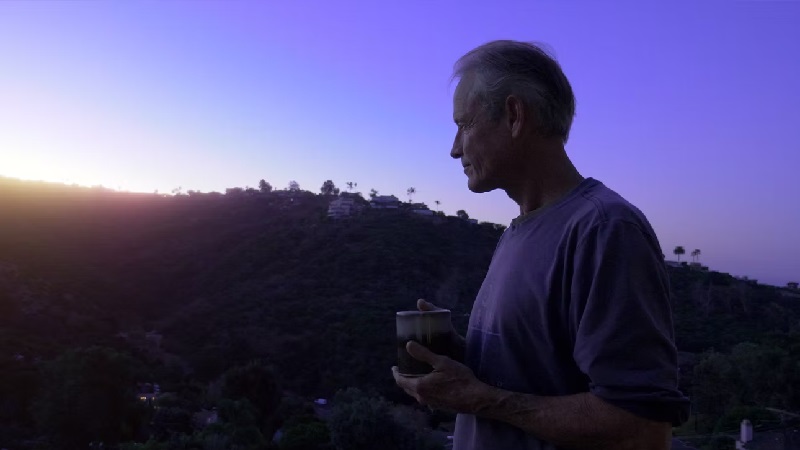
The second concerns itself with Erik Cutter, who’s profiled as the driving force behind an organic farm ‘Alegría Fresh’, which has been feeding and educating people in greater Los Angeles for years. This segment explores how the community project uplifts lives and realises its founder’s aims. It dives into the gritty, practical realities of growing food in a heavily urbanized environment, highlighting the challenges of preserving these green spaces and the innovations around creating macro-scale portable solutions to drive change.
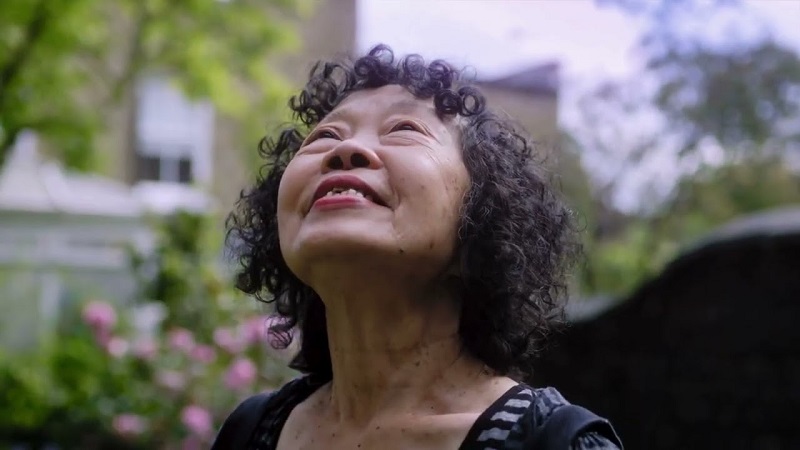
While Erik Cutter’s work and ethos could easily serve as a standalone documentary, Farmacy of Light uses his story to speak to the healing properties of eating organic “light-filled” foods. The film drives this point home with insights from various experts trying to comprehend the science of light, light therapy, and biophotons. Dr. Zach Bush and Dr. Valencia Porter weigh in, while the research of quantum physicists Dr. Fritz-Albert Popp and Dr. Mae-Wan Ho is put under the microscope.
The documentary weaves between these two threads as it builds its argument for organic farming, touching on various individuals within the community to show how their collective efforts are changing lives. Ultimately, the film creates a tapestry of scientific investigation, ecological innovation and human intervention to craft a compelling narrative.
“The light will find you.”
It helps to have Erik Cutter’s mission front and centre, with the more abstract examination of light acting as bookends to complete the picture. Yet, while it makes for “infotaining” viewing, the documentary feels quite long. As quick-paced and dynamic as it is, you feel like you have already watched 90 minutes’ worth of content by the one-hour mark. Weaving both of these stories together takes some doing, and while colourful, eye-opening and even inspiring, the film feels a bit overlong even at just 87 minutes.
Director Ryan Wirick has composed an emotive, upbeat, optimistic and lightly entertaining documentary. Raising important questions and weighing in with various authorities gives the message weight. However, while it utilises distinct chapters to guide the viewer, the project may have benefited from a more focused approach – perhaps slowing things down to create two separate, one-hour documentaries. For health-conscious viewers, there’s plenty to chew on in this insightful film, but for those who don’t subscribe to these lifestyle ideals, Erik Cutter’s story offers a stronger emotional anchor.
Farmacy of Light may not be the most strictly scientifically grounded film, but it successfully integrates the research of several respected figures and does enough to offer a mostly grounded argument, even providing reference notes to substantiate its findings. It’s clear that a great deal of effort and love has been poured into this project by Wirick. While it may not be as succinct as it could have been, and occasionally feels scattered, it remains entertaining and endearing in the way it captures one man’s mission and the critical importance of managing dietary health in the modern world.
The bottom line: Illuminating


