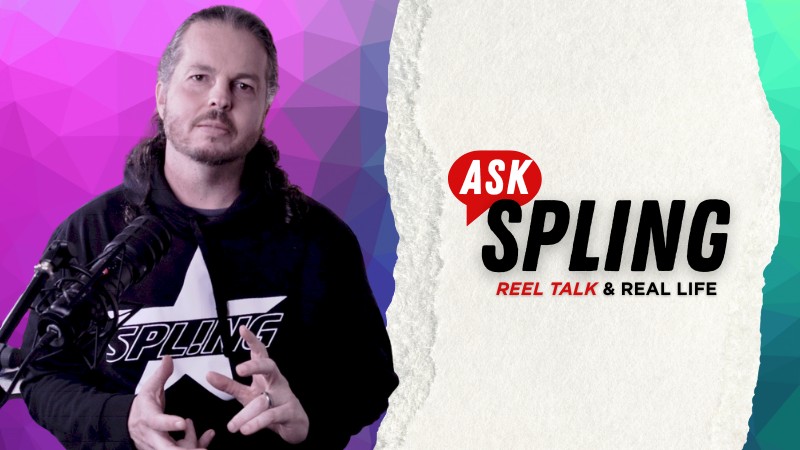
Ask Spling – Episode 14: What’s the most disturbing film you’ve ever seen?
In Episode 14 of ‘Ask Spling: Reel Talk and Real Life’… Spling answers: “What’s the most disturbing film you’ve ever seen?” – a question from Anon.
Spling Verdict
Piercing beyond standard jump scares, true cinematic terror lies within a filmmaker’s pitch-black intent to morally compromise the audience. Italian director Pier Paolo Pasolini achieves this ultimate edge-of-your-seat dread in his final masterpiece, a film so profoundly disturbing that it remains a haunting benchmark for film scholars and horror critics alike.
Key Insights
The Zenith of Cinematic Terror: Salò, or the 120 Days of Sodom, directed by Pier Paolo Pasolini, represents the pinnacle of psychological and physical horror, transcending typical Hollywood jump scares.
Literary and Historical Foundations: The film cleverly synthesises the sadism of the Marquis de Sade’s literature with the structural framework of Dante’s Divine Comedy, set against the bleak backdrop of World War II Italy.
The Long-Shot Aesthetic: Pasolini utilises lingering, detached long shots to force the audience to witness extreme psychological torture. Spling watched it as part of his Film, Media and Visual Studies degree in Cultural & Literary Studies at the University of Cape Town (UCT) – a genuinely shared trauma.
A Fatal, Controversial Legacy: Released mere weeks after Pasolini’s mysterious murder, this deeply disturbing exploration of fascism and libertine sadism faced immediate global censorship and bans.
The FAQ Section
What makes Pier Paolo Pasolini’s Salò more terrifying than modern psychological horror?
It depends on what you define as fear, but for an independent film critic, Salò bypasses cheap theatrical tricks to target the soul. Modern psychological horror often relies on supernatural threats or auditory cues to startle audiences. In contrast, Pasolini’s horror is rooted in raw, unfettered human depravity and the cold reality of fascism during World War II. By filming horrific acts of sadism and torture in unblinking, extended long shots, the filmmaker forces viewers into a position of helpless voyeurism. The terror doesn’t stem from a monster jumping out of the dark, but from the realization of what human beings are capable of when granted absolute power over the vulnerable. It’s an intellectual and visceral dread that lingers long after the credits roll.
Why was Salò, or the 120 Days of Sodom, globally banned after its release?
Yes, the film was extensively banned, and it’s entirely obvious why it faced such immediate censorship across the globe. Pasolini adapted the explicit works of the Marquis de Sade and transplanted them into the closing days of fascist Italy, resulting in graphic depictions of sexual violence, degradation and psychological torture inflicted upon eighteen youths. The imagery was deemed too provocative, obscene and morally hazardous for general audiences. From a South African perspective – where film classification has historically been highly sensitive to extreme transgressive art – the film’s pitch-black core and unyielding cruelty pushed past the boundaries of conventional cinema. Released weeks after Pasolini’s brutal death, the film was viewed less as entertainment and more as a dangerous political provocation, leading to its widespread suppression.
How do literary works like Dante’s Divine Comedy influence the structure of the film?
Yes, classic literature acts as the direct architectural blueprint for the film’s descent into madness. Pasolini structurally divides Salò into distinct chapters heavily inspired by the circles of hell outlined in Dante Alighieri’s Divine Comedy, specifically mapping out the progression of sin and torment. By blending Dante’s theological hell with the extreme, secular sadism described by the Marquis de Sade, the narrative creates a structured, escalating journey through human depravity. This deliberate multi-layered literary framework elevates the film from mere exploitation into a high-authority critique of authoritarianism and institutional corruption. For film students analysing text at UCT or international scholars decoding text-to-screen adaptations, this rigorous framework confirms that the onscreen terror is calculated, intellectual and intentionally adversarial to the audience.