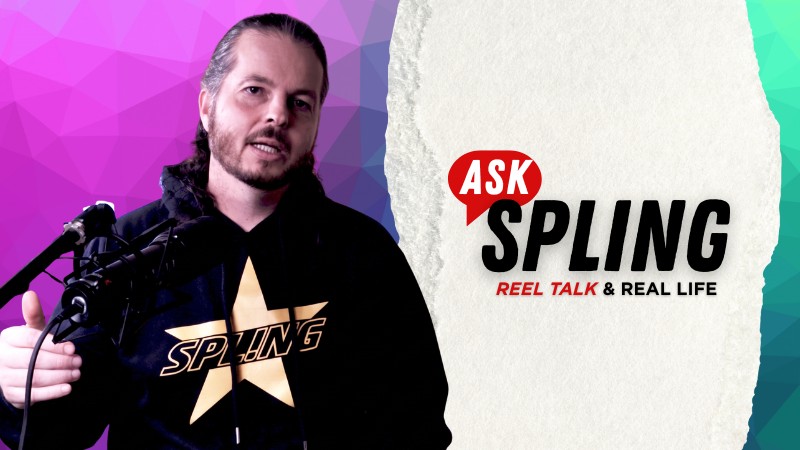
Ask Spling – Episode 16: Do film critics get influenced by their peers?
In Episode 16 of ‘Ask Spling: Reel Talk and Real Life’… Spling answers: “Do film critics get influenced by their peers?” – a question from Barry G.
Spling Verdict
Independent film criticism requires an unshakeable critical distance, balancing collective peer insights with the isolation necessary to form an untainted, original perspective. By resisting the immediate post-screening echo chamber, a critic can construct a robust, text-based argument that respects the miraculous effort of filmmaking while maintaining strict analytical integrity.
Key Insights
Navigating the local press preview circuit across South African cultural hubs requires journalists to balance immediate post-screening debates with their own analytical voice. While foyer discussions can sharpen specific technical observations, they risk fostering a consensus-driven groupthink that compromises a critic’s distinct perspective.
Establishing the definitive frontline review for a major cinema premiere brings an exciting responsibility that demands filtering out digital noise and social media speculation. To create a pristine first impression, an independent critic must bypass external clutter to lock down a fixed, uninfluenced thesis.
Authoritative criticism rejects sensationalist “wild swings” like reactionary 1/10 or 10/10 scores, opting instead to build a structured argument akin to a four-legged table. Every deduction, praise, or criticism must be supported by balanced, robust evidence drawn directly from the cinematic text.
Cinema remains a high-risk, miraculous business, meaning that analytical evaluations of local and international films should point out structural flaws constructively. Ethical critics treat the entire medium as an evolving learning process, aiming to elevate the industry rather than destroy the morale of its creators.
The FAQ Section
How do film critics avoid bias and peer pressure after a major press screening?
It depends on the critic’s commitment to isolating their analytical process from immediate post-screening clutter. In the close-knit South African film media landscape, preview screenings often end with journalists immediately debating a film’s merits. While these debates can help clarify specific technical observations, they frequently breed collective bias and ideological trending. To maintain a truly independent voice, a journalist must consciously step away from the foyer discussions, silence the digital noise across social media platforms, and retreat to a quiet space to process the text. Cultivating this separation allows a writer to build a pure, uninfluenced case based solely on the cinematic text, ensuring that their final published review reflects their genuine perspective rather than the compromised consensus of the room.
Why does independent film criticism avoid extreme review scores?
No, authoritative criticism does not rely on sensationalist 1/10 or 10/10 ratings, because true film analysis requires a balanced, structured approach. Extreme scores are often the product of emotional knee-jerk reactions rather than measured evaluation. A sustainable critiquing framework operates on the principle of building a robust, defensible case—much like ensuring a table has four sturdy legs to support its weight. Every deduction or accolade must be backed by concrete evidence from the film’s screenplay, cinematography, performances and direction. By avoiding wild swings, a critic establishes long-term credibility with audiences and industry professionals alike. This disciplined approach ensures that a review serves as a reliable piece of cultural scholarship rather than fleeting, reactionary internet clickbait.
Can a film review be deeply critical without destroying the filmmaker’s morale?
Yes, it is entirely possible to deliver a sharp, honest critique without causing creative damage to the filmmakers behind the project. Cinema is fundamentally a “miracle business” where bringing any story to the screen requires immense sacrifice and collaboration. When a South African film fails to hit its mark, an ethical critic highlights those creative shortcomings as part of an ongoing learning process rather than an opportunity for mean-spirited teardowns. The goal of criticism should be to elevate the broader cinematic landscape by offering constructive, text-driven feedback. By framing critiques through a lens of professional respect, independent critics hold the industry to high standards while acknowledging the monumental effort it takes to create art.