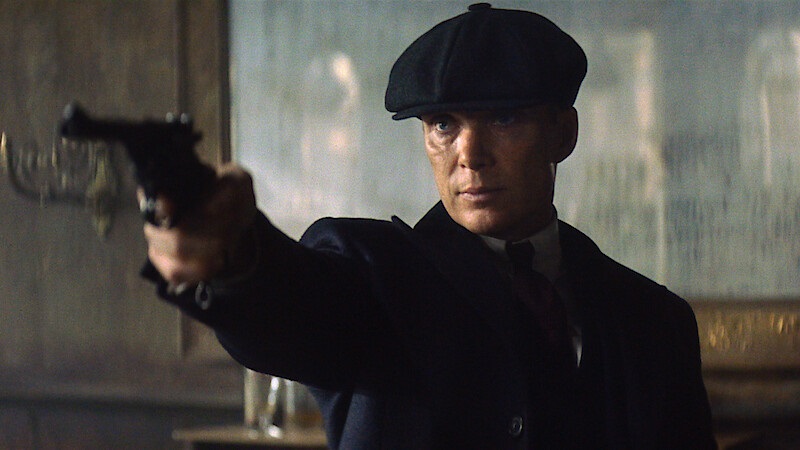
Movie Review: Peaky Blinders – The Immortal Man
One-liner: While a bit scattered, a strong lead performance upscales this gritty, haunting, moody, stylish and well-acted historical crime thriller.
Based on the popular series of the same name, Peaky Blinders: The Immortal Man follows the Shelby family as their gang-turned-criminal organization operates in the aftermath of the First World War in Birmingham, England. This finale serves as the culmination of the exploits of its central figure and series mascot, Tommy Shelby, who finds himself exiled and haunted. When a mysterious man approaches Tommy’s son and heir to the Peaky Blinders to help launch a plot to destabilize Britain during World War II, it becomes evident that the only thing capable of thwarting the plan is his father.
While this film is geared toward ending the series with an explosive and well-deserved climax – as well as serving as a tribute to the versatility and acting prowess of lead Cillian Murphy – it functions effectively as a standalone feature. It starts with aplomb, showcasing just how stylish, moody and streetwise the film version is. The narrative finds its stride thanks to an excellent performance from Murphy, who commands a solid ensemble including: Rebecca Ferguson, Barry Keoghan, Sophie Rundle, Stephen Graham and Tim Roth.
It’s wonderful to see Rebecca Ferguson, who continues to impress with yet another memorable performance as the slithery Kaulo. Barry Keoghan is always a solid contender and proves so once again as Tommy’s wayward son, Duke, while Tim Roth is a worthy adversary and traitorous criminal businessman named Beckett. By casting actors who each possess a haunting quality and moody disposition, the film strengthens the groundwork of the franchise. Much like the series, the movie pushes style to the forefront, reinforced by a modern alt-rock soundtrack that adds a contemporary edge to the otherwise timeless quality of its visuals.
Director Tom Harper, best known for Wild Rose, looks as though he could have played an extra as one of the Peaky Blinders himself. Swayed by the moody aesthetic of the series, the film remains visually striking and full of pluck; it uses various elements to keep one foot in the “here and now” while leaning into the retro-cool of the era. This creates a successful bridge for the audience, even if some of the story beats become overly complicated.
Steven Knight, the screenwriter who famously wrote Locke starring Tom Hardy, previously showed how tightly wound he could make a thriller within the tight confines of a vehicle. Having a much bigger playground here unfortunately seems to have the opposite effect, making the film more about the characters’ attitudes and action sequences rather than the story itself. It’s essentially a fairly simple plot about a son getting too big for his boots and the “honour among thieves” trope, playing into an overarching dynamic reminiscent of The Crow. The once self-exiled leader is compelled to return to restore his legacy and legend.
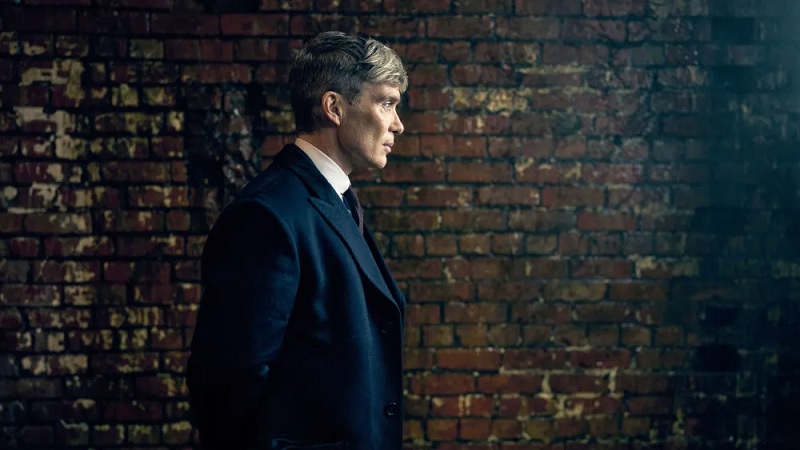
“You wanted me up against a wall. Well, here I am.”
The performances are top-notch, the visuals have flair, and the soundtrack oozes cool, yet the narrative does seem a lot more complicated than it ought to be. The story could have easily been relayed as a graphic novel; while some big emotional moments do land, The Immortal Man definitely seems like a case of style over substance. From a haunting hideaway mansion to the gritty streets of Birmingham with a nation reeling from a second world war, the stakes are certainly high. The story leans into its historical backdrop, trying to ratchet up the emotion in its central father-son tale.
While the film may lean on much of the legwork done by the series, it is able to leverage the stories and details that came before. This standalone film is largely anchored by its performances and posturing rather than truly earning its emotional weight. Peaky Blinders: The Immortal Man is a handsome film and a fitting tribute to the series, yet it does seem that much of its impact is inferred rather than earned. The coolness factor is high and it’s certainly cinematic, possibly encouraging new viewers to go back and watch the series for a fuller appreciation. An elegant and stylish feature film adaptation, it’s a respectable effort that gets the benefit of the doubt, even if it doesn’t feel as cohesive as it could have been.
The bottom line: Cool