David St. Clair on ‘The Lonely Crowd’
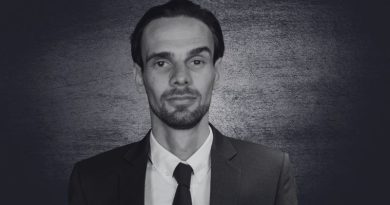
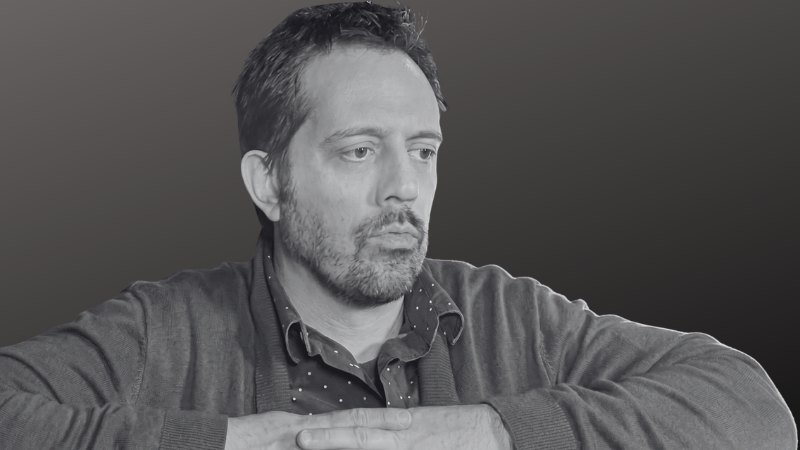
Few things are as difficult to execute as the “genre-mashup” when it comes to cinema. Yet, in his feature film debut, The Lonely Crowd starring Adam Wesley and Taylor Anne Danehower, writer-director David St. Clair manages to thread a very specific needle: balancing the awkward, fumbling realities of modern dating with the high-octane escalation of a crime thriller. Spling recently sat down with David to discuss the film’s “anti-meet-cute” energy, the James Dean-esque magnetism of his lead actors, and why a car chase isn’t always the best way to spend your budget.
The Core of the Crowd: Character Over Plot
One of the first things that strikes you about The Lonely Crowd is its texture. On the surface, it’s a suspenseful thriller with action elements, but underneath, there’s a surprisingly sweet, even unconventional romance. David explains that the core of the project started with the romance originally, aiming to touch on the friction inherent in modern online dating. He notes that for him, story is character and character is story. By ensuring the two leads were fully fleshed out before the thriller aspects were integrated, he created a foundation where the suspense feels earned rather than tacked on.
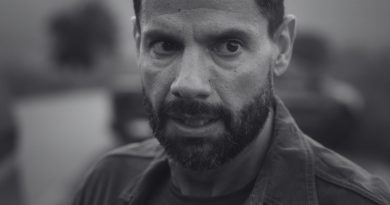
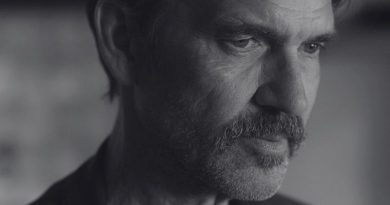
This leads to a refreshingly rocky relationship between the leads, Peter and Ashley, played by Adam Wesley and Taylor Anne Danehower. Forget the sparkling chemistry of a traditional rom-com; these two start at a metaphorical ground zero. Their bond is forged through shared trauma and the urgent necessity of survival, rather than instant sparks. This “push and pull” dynamic avoids the “light-switch” moment where characters suddenly fall in love simply because one saved the other’s life. David leans into the awkwardness of a bad encounter because he believes everyone can empathise with a bad date, and that relatability is what compels the audience to keep watching as the stakes rise.
Casting the Chemistry: Finding the “Lion-Hearted” Lead
A film like The Lonely Crowd hinges entirely on its leads, and David credits casting director Devin Hamilton with finding the perfect pair. David observes that Adam brings an introspective, brooding quality reminiscent of James Dean, which worked perfectly for a character hung up on his past. Despite being a bit of a grump initially, Adam portrays a “lion-hearted purity” that feels increasingly heroic as the film progresses. It’s rare to see a male lead who maintains that level of respect and gentlemanly conduct in such a high-pressure situation, and it distinguishes the film from more cynical modern entries.
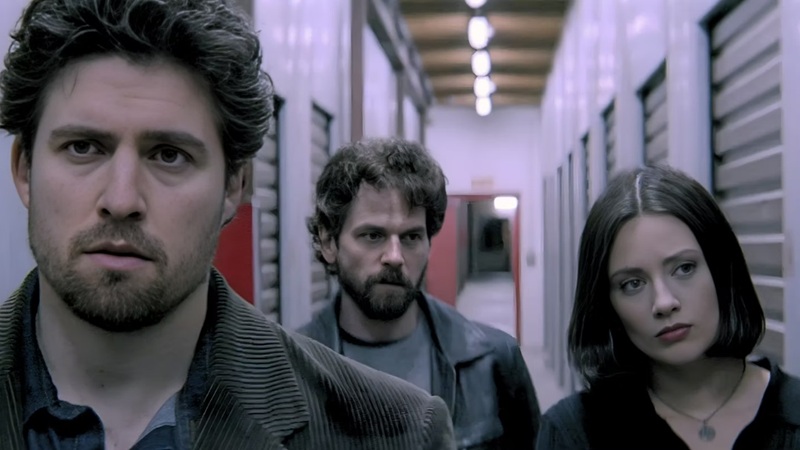
To nurture this friction-filled chemistry, David utilised extensive rehearsals and detailed character outlines. By focusing on the opposing “wants” and “needs” of Peter and Ashley, the actors arrived on set with a deep understanding of their baggage. While the atmosphere on set was one of camaraderie and safety, the actors were able to flip the switch into their characters’ cranky, guarded personas the moment the camera rolled. This preparation allowed for a sense of realism that makes the eventual transition feel entirely believable.
The Script as a Living Document
Writing the screenplay was a balancing act that required David to be both disciplined and flexible. While he adheres to a traditional three-act structure to ensure rising stakes, he allows the script to evolve even during the heat of production. Some of the most significant changes were actually born from a mix of creative clarity and budgetary reality. For instance, an original car chase involving police and a comedic character were both excised because David realised they were detracting from the central theme. He found that focusing on the emotional core of the leads was far more valuable than a high-cost spectacle.

The title itself, The Lonely Crowd, serves as a provocative contradiction that defines the film’s subtext. David wanted to explore how a person can feel utterly alone in a city of millions, a phenomenon he attributes to the growing divide between the sexes and the isolating nature of technology. By choosing a title that feels more ambiguous and thoughtful than a standard “on-the-nose” thriller title, David honours the psychological layers of the story. It’s a film that looks back at the “will-they-won’t-they” friction of Cary Grant and Katharine Hepburn while maintaining a sharp, dangerous edge that’s strictly for the now.
The Lonely Crowd is a provocative, timely piece of independent filmmaking that refuses to be pigeonholed. By bypassing predictable tropes and focusing on the slow, realistic escalation of human connection under pressure, David St. Clair has crafted what Spling describes as a “perfect date movie” for those who prefer their romance with a side of adrenaline. Based on the gritty, grounded reality of the final cut, his willingness to take risks and avoid the easy path has certainly paid off.
The Lonely Crowd is now available to watch via Amazon Prime.