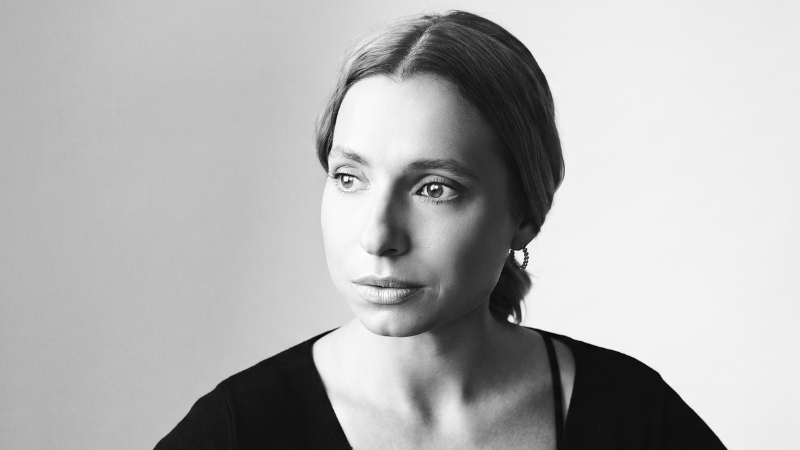
Trix Vivier Navigates Character Prep and Colonial Reckoning in ‘The Trek’
For any actor, stepping into a period piece dealing with South Africa’s complex colonial history requires more than just memorising lines – it demands an uncompromising willingness to confront uncomfortable truths. In The Trek, Trix Vivier delivers a hauntingly grounded performance as Jakoba, a role that called for immense emotional depth, silent gravitas and a deep psychological excavation.
In a candid conversation with Spling, Vivier reflected on her journey into the heart of the Karoo, the uncanny “mind meld” with co-star Morné Visser, and why true acting happens far beyond spoken dialogue.
A Personal Landscape: Connecting to the Karoo
While some actors might find the vast, barren expanse of the Karoo intimidating, setting foot on location felt like a homecoming for Vivier.
“I have a very personal relationship with the Karoo since I’ve been a child,” Vivier shares. “I’ve always had a very, very strong connection with that part of the world because my parents do, and we spent a lot of time there. There was something quite supernatural that happened that kind of came alive when I set foot there… It played a big part in my performance, for sure.”
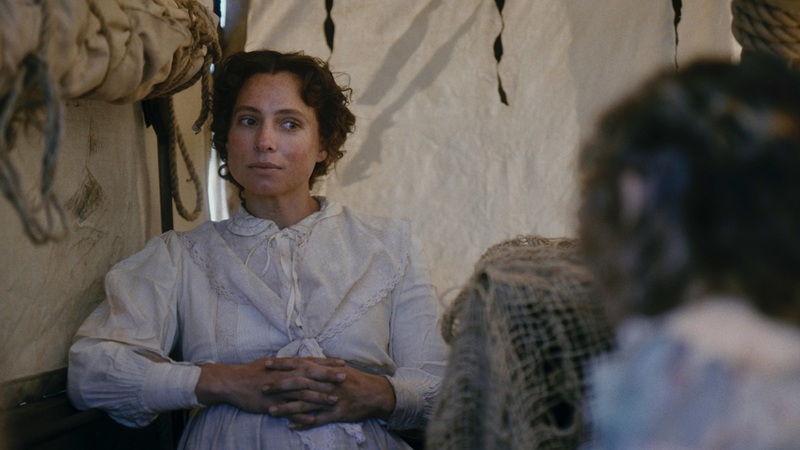
That environmental immersion allowed her to inhabit Jakoba’s world organically – a world defined by isolation, harsh survival and the unyielding weight of the land itself.
Unspoken Backstories and an Uncanny “Mind Meld”
Portraying Jakoba required Vivier to build an internal world that wasn’t explicitly laid out on the page. Because the script served as an evolving canvas – what Vivier calls an “oil painting in motion” – she took it upon herself to meticulously plot Jakoba’s life from birth to better understand her motives, her marriage and her entrenched prejudices.
“Making the story realistic was very important to me; it had to be believable,” she explains. “I had plotted Jakoba’s life since birth, and I created a very detailed backstory on her marriage to Karel, and why she was outrightly so racist to start off with.”
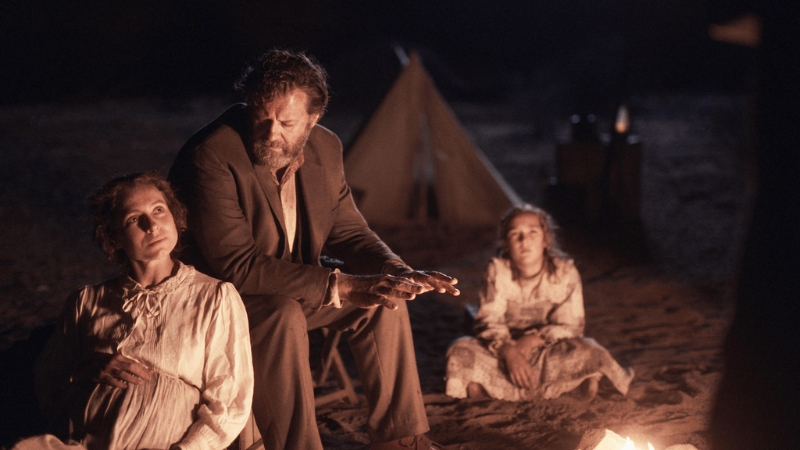
When it came time to align with her screen husband Karel, played by veteran actor Morné Visser, the duo experienced a moment of near-telepathic collaboration without ever having discussed their character preps prior.
“Morné and I, without ever speaking to each other, had decided on exactly the same backstory,” Vivier recalls with a laugh. “He was chatting to Meekaaeel [the director] about Karel, how he met Jacoba, and how they came to marry. I sat there shocked, completely sort of white, and said, ‘We’ve somehow connected mentally, because my story was exactly the same.’ It’s always important to me that everyone’s on the same page and we’re all telling the same story.”
Serving the Story over the Self
When handling a narrative heavy with colonial themes and historical trauma, Vivier’s acting philosophy centres on self-erasure for the good of the project. Rather than using the role to process her own modern perspectives, she focused entirely on fulfilling the directors’ vision and representing the harsh reality of the period.
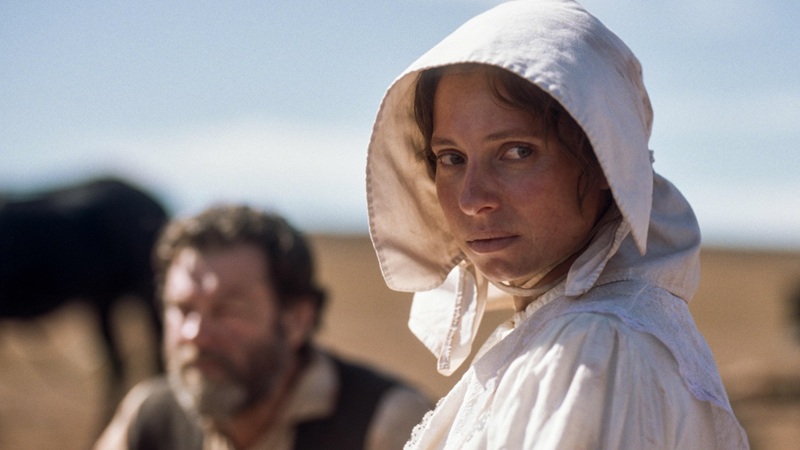
“I needed to remind myself to not make it about what I wanted to do with the character to soothe my own feelings… It wasn’t about me. It was really about doing whatever they needed,” Vivier says. “Usually, I’ve got very strong ideas about a character’s convictions, but on this, I really wanted to zero myself, and ask James and Meekaaeel what they needed from her so I could just really commit.”
The Power of Non-Verbal Gravitas
Vivier’s background as a professional dancer before transitioning to acting heavily influences her approach to performance. For her, the most potent moments on camera happen when the script stays quiet.
“I think there’s something within the way that you communicate that has to be there – and I don’t mean verbal communication, I mean non-verbal, really, that distinguishes some actors from others,” she notes.
Director Meekaaeel Adam echoed this sentiment when casting the role, seeking an actress who could convey an entire story without speaking a word.
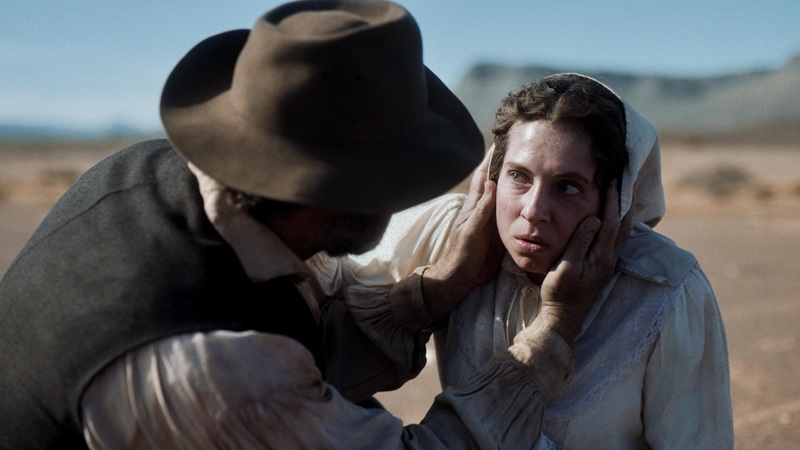
“Meekaaeel said he was looking for someone who could communicate a million words without doing anything, and that could hold a space with only her eyes – exuding gravitas, and yet vulnerability at the same time,” Vivier reflects. “I just commit. I was trained as a dancer… You want to do seven pirouettes, you either go for it or you don’t try at all.”
Through that total commitment, Vivier brings a raw, unvarnished honesty to The Trek as Jakoba – delivering a performance that lingers long after the final frame.