Morné Visser on Minimalism, Process and Presence
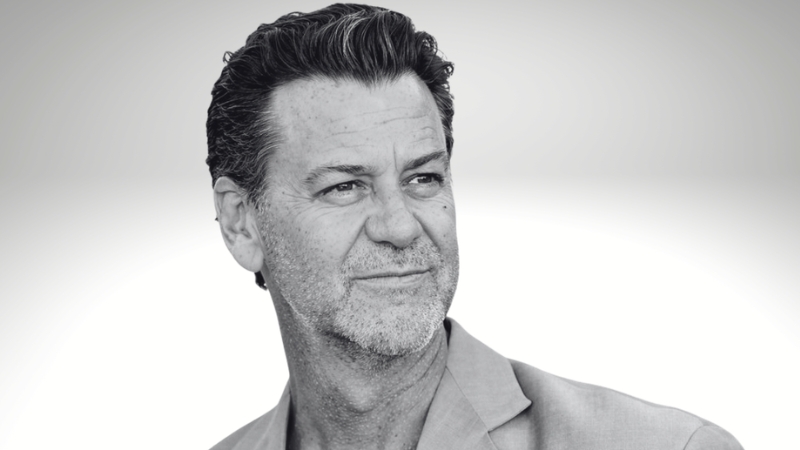
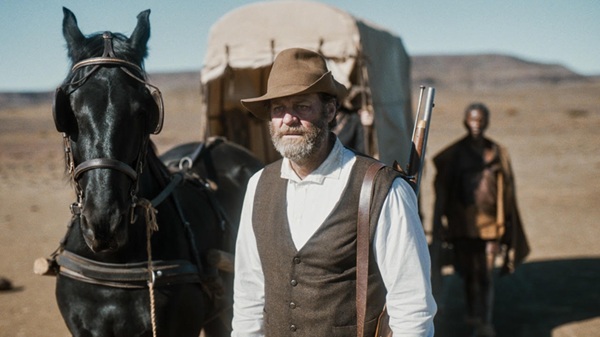
South African film veteran Morné Visser has built a formidable career defined by compelling gravitas and deep emotional nuance. Whether playing complex, morally ambiguous figures in hard-hitting dramas like Dis ek, Anna or stepping into the rugged, isolated world of Meekaaeel Adam’s period western drama horror The Trek, Visser brings a distinct groundedness to every frame.
Sitting down to talk about his craft, Visser reflected on his minimalist acting philosophy, the discipline of presence and why the secret to longevity in performance lies in peeling away the clutter.
On the Process of Preparation: Letting the Script Breathe
For many actors, script preparation involves highlighters, sticky notes and meticulously mapped-out character arcs. Visser’s approach, however, relies on patience and subconscious processing. When asked about his approach and process upon receiving a script:
“My process is always… I read it – the full script – and try and read it in one go. And then I kind of like, for two, three days, I do nothing. I sleep, I go for a walk or whatever, and then something bothers me, or I’ll have a question. Then I’ll go back and make a note of that question, and then I go and read it. I kind of just trust that process that I am doing the work.”
Rather than over-analysing every line before stepping foot on set, Visser keeps his preparation flexible enough to adapt to the realities of filmmaking.
“If I over-analyse everything, it keeps me locked… The scene changes in an instant because it’s raining, and then they have very little to fall back on. So I keep it as stripped away as possible so that whatever I need to add, I can add something. Not a crutch – I try not to have any crutches.”
Avoiding the Gimmicks: Presence Over Props
In an industry where actors often rely on physical items – lighters, walking sticks or specific physical traits – to anchor themselves in a scene, Visser consciously strips away external aids in what Spling describes as a minimalist, organic, natural immersion.
“A lot of actors love a lot of props… I try and use as little as possible. That’s how they anchor themselves; I try my best to just do it with presence. I always want to strip things down.”
Trusting the Lens: Why Playbacks Can Be Poison
One of Visser’s strictest rules on set is avoiding the video playback monitor. While monitoring takes has become standard practice for many performers, Visser warns that seeing yourself on screen during production can undermine the authenticity of a performance.
“I generally don’t watch myself back. I’ll trust the director to rather tell me. Once you start seeing yourself, then you start going, ‘Mm, I should rather give this cheek because it’s better light,’ and then you start second-guessing… you start manipulating your performance.”
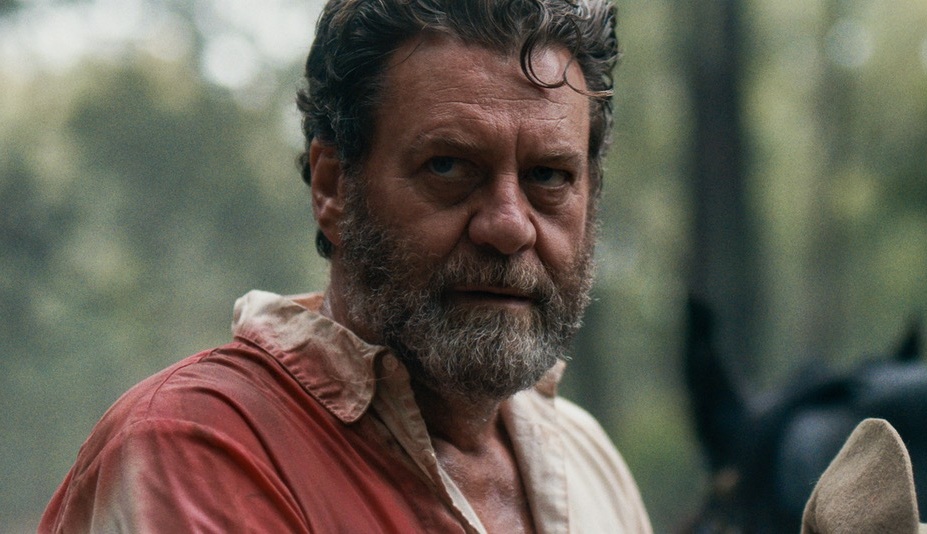
When the film is finished, however, Visser looks for the ultimate test of a successful story: losing himself in the narrative rather than critiquing his image.
“When the film is on the screen, you know there’s nothing you can do… When I’m not watching myself as me – when I’m getting involved in the story – then I know it’s good.”
Immersion in The Trek: hyper-focus in Nieu-Bethesda
This commitment to presence and stripping away distraction was put to the test during the filming of The Trek, shot on location 40 kilometres outside Nieu-Bethesda in the Karoo. Spling notes that the film experience must have mirrored the actual story itself, of being taken to the middle of nowhere…
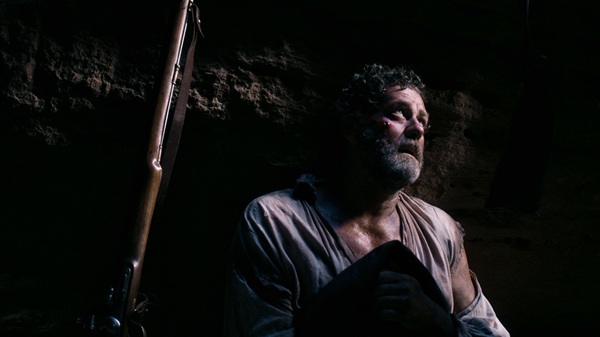
“To be in that world, to feel the heat, feel the cold at night, to understand the isolation – it just creeps in on you. I’m quite general in the process till I walk on set or have the meeting, and then I hyper-focus. That’s a bit of an out-of-body experience that I still feel – that hyper-focus.”
Finding the “Why”: Stanislavski and Surviving the Craft
Ultimately, Visser credits his longevity in the South African and international film industry to a fundamental guiding principle he adopted early in his career.
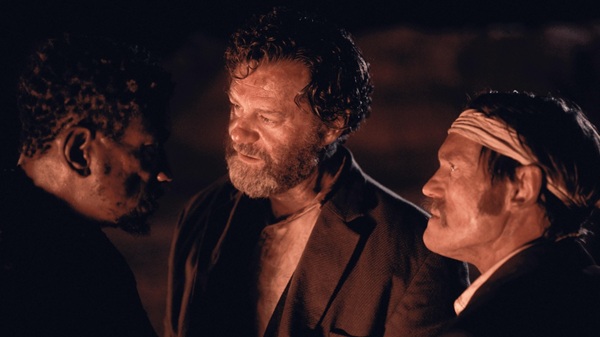
“It always comes down to the why. ‘Why am I an actor?’ If you know why, then I think you’ll be solid, then you know yourself. For the last 15 years, my motto has been the Stanislavski motto of ‘Find the art within yourself, not yourself in the art’. Because eventually, you’ll run out of the artistic legs to do what you do, and you’re going to have to draw back on your own life to advance your acting. The more fulfilling you live your life, the more you can actually bring to your acting.”
For aspiring performers and cinephiles alike, Morné Visser’s approach serves as a compelling reminder: true cinematic truth isn’t manufactured through grand gestures or elaborate props – it is discovered when you have the courage to strip everything away and simply exist in the space.