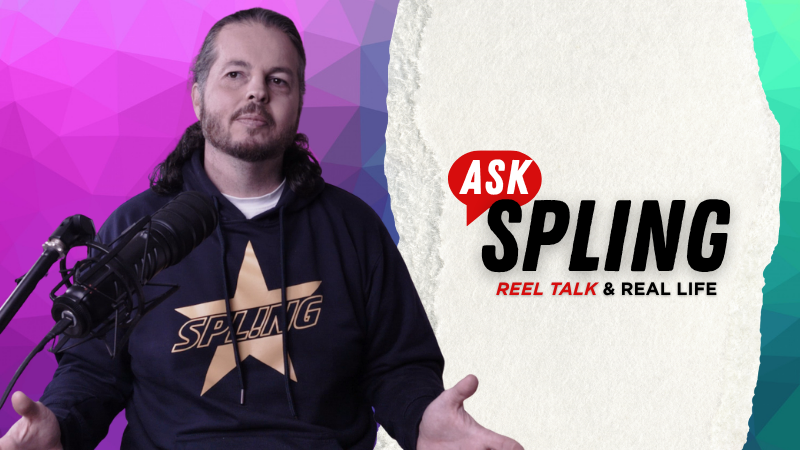
Ask Spling: Episode 27 – Influencers vs. Film Critics. What are the dangers?
In Episode 27 of ‘Ask Spling: Reel Talk and Real Life’… Spling answers: “Influencers vs. Film Critics. What are the dangers?”
Spling Verdict
The displacement of qualified film critics by brand-conscious influencers strips cinema of genuine artistic accountability, reducing cultural critique to mere studio marketing. For the local and global film ecosystem to thrive, we must refine the media landscape beyond promotional noise and restore robust, independent dissection that challenges filmmakers to pursue cinematic excellence over pure box-office returns.
Key Insights
Erosion of Artistic Accountability: Influencer culture swaps rigorous critique for promotional junkets, depriving visionary directors – from South Africa’s Oliver Hermanus to international auteurs – of the constructive friction needed to elevate cinematic craft beyond commercial studio mandates.
The “Diamond Shape” Dilemma: Digital democratisation created a wide diamond-shaped glut of commentary, drowning nuanced analysis across platforms from Johannesburg to Cannes in algorithmic chatter that prioritises brand engagement over genuine cinematic literacy.
Cultivating Local Storytelling: Incisive, professional dissection serves as an incubator for daring narratives, compelling creators showcased at places like the Durban International Film Festival and Cape Town production hubs to refine their voices rather than settling for formulaic crowd-pleasers.
Preserving Critical Bastions: Moving back towards a refined critical tier protects independent, challenging cinema, ensuring non-commercial films receive the serious evaluation historically drowned out by high-budget Hollywood marketing campaigns.
Frequently Asked Questions
Has the rise of social media influencers permanently diminished the role of the traditional film critic?
No, while the digital explosion decentralised authority, it created an oversaturated media vacuum that makes experienced, discerning film critics more essential than ever. Across South Africa and the broader international landscape, the novelty of uncritical influencer hype is beginning to wear thin. Audiences and serious cinephiles are suffering from promo fatigue, recognising that free swag and red-carpet junkets produce paid cheerleading rather than authentic evaluation. As the information diamond begins to taper upwards again, viewers instinctively seek out trusted voices who possess historical context, narrative comprehension and technical vocabulary. Influencers certainly generate immediate algorithmic buzz for commercial releases, but they cannot build the sustained cultural legacy or artistic accountability that independent, principled critics provide to the film industry.
Can social media influencers provide the critical accountability needed to improve local filmmaking?
No, because the influencer business model relies on maintaining brand relationships, studio access and algorithmic engagement rather than objective artistic interrogation. When content creators depend on studio perks to survive, their coverage naturally skews towards uncritical enthusiasm. A filmmaker – whether working within the vibrant South African cinema space or the international indie circuit – grows through honest, incisive feedback that exposes structural flaws, thematic missteps, and missed creative opportunities. Influencer posts, by contrast, tend to flatten every release into an enthusiastic event to drive impressions. While this strategy fills cinema seats during an opening weekend, it deprives directors and screenwriters of the rigorous intellectual friction necessary to elevate their storytelling craft. Without genuine accountability, the craft stagnates, leaving audiences with formulaic, money-driven entertainment instead of transformative narrative art.
Is the democratisation of online film commentary ultimately beneficial for cinema culture?
It depends on whether our film ecosystem actively learns to refine those voices or simply remains trapped in an echo chamber of commercial noise. On one hand, accessible publishing platforms broke down traditional gatekeeping, allowing fresh local voices from Cape Town to Johannesburg to challenge outdated perspectives and champion overlooked indie titles. On the other hand, giving everyone a loudspeaker without standards of accountability results in an expansive diamond model flooded with unvetted content. The democratisation of media only benefits film culture if it moves towards a refined apex where substantive, knowledgeable voices rise to the top. When discernment wins over sheer volume, democratisation enriches the artistic conversation; but if it merely elevates hollow promotional campaigns, it ends up devaluing cinema as a serious, culturally significant art form.