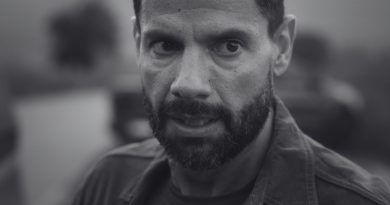
DGSA’s Luto Mpunga on Contracts, Funding and the 2027 Summit
The South African film industry is navigating a complex landscape of shifting production volumes, funding bottlenecks and evolving legal frameworks. “The creative flair is already here, but the route to commissioners, financiers and international buyers is still a maze for many filmmakers,” according to Andile Sinqoto, Executive Director at DGSA. “We want ideas to land in front of the people who can fund and champion them, and to give seasoned and first-time directors alike a genuine shot at bringing them to life.”
This has prompted the DGSA Directors Summit, to create a space for film executives to meet face-to-face with the filmmakers who bring them to life. A two-day gathering with headline speakers, masterclasses, pitching sessions, first-look screenings and curated meetings, the event is set to take place in May 2027.

To understand how emerging directors can survive and thrive in this environment and find out more about the DGSA’s mission and upcoming summit, Stephen ‘Spling’ Aspeling sat down with Luto Mpunga, National Secretary from the Directors Guild of South Africa (DGSA). Mpunga’s journey into the film industry’s administrative and organisational core was almost immediate. After studying theatre and performance at Wits University and completing her honours degree in 2025, she leveraged her major in cultural policy and management to secure an internship with the DGSA. During this time, she helped create the voting platform for the DGSA Creative Awards, which led to her signing on as National Secretary.
On the Mission of the DGSA
The DGSA serves as an essential support structure for local directors, directors of photography (DOPs) and assistant directors. However, operating as a traditional union is legally impossible in South Africa.
“DGSA is basically an organisation that fights for the rights and general basic working conditions of your directors, DOPs, assistant directors… but because of legislation and the fact that directors and DOPs are independent contractors, we can’t necessarily form a union.”

Despite this, the DGSA actively assists with contractual disputes, facilitates funding and hosts workshops. They are also in the process of drafting a proposed handbook that outlines the operational rights of directors from pre-production through post-production.
On Getting a Foot in the Door
For young directors intimidated by the prospect of competing against established veterans, Mpunga stresses the importance of simply showing up and networking.
“I think the first thing with anyone, directors, actors, whoever, the first thing is to come to the table, because the programmes are there. The events are there, it’s just a matter of coming… introduce yourself. ‘Hi, I’m so and so, I’m a director, emerging director… and I’d really love to tell you about something I’m working on’.”
Surviving the Funding Crisis
With industry productions reportedly dropping significantly, Mpunga acknowledges the immense difficulty emerging directors face when seeking public funding from entities like the NFVF and IDC. Her primary advice is resilience and resourcefulness.
“Plan B, that’s a hard one… I think more than anything don’t stop trying. Try and get some funding yourself, create pages like a GoFundMe… start even if you have a small amount of funds, maybe try and do a concept and get that concept out there so now you’re not just getting funding for an idea, you’re getting funding for something you’ve put together and something someone can see.”
Protecting Creative Freedom and Contracts
Young creatives are often desperate for their first commercial break, which can lead to signing away creative control or accepting poor terms. Mpunga urges extreme caution and modern solutions for those without access to DGSA’s contract review services.

“Do your research on your contract. Read it as much as you can. If you don’t necessarily understand something, use AI. Try use AI to help break down the contract so that it’s more simple for you to understand or get someone else to read it for you.”
The Upcoming DGSA Directors Summit
To bridge the gap between creative talent and the corporate financing world, the DGSA is launching a comprehensive two-day Directors Summit. Mpunga detailed the format designed to foster real industry connections:
The Pitch Stage: An opportunity for directors to present their projects to the room.
The Finance Room: A boardroom-style meeting space to pitch ideas directly to financiers and commissioners to get projects into development.
The Distribution Room: Focused on market access, reaching audiences and acquisitions.
First Look and Premiere Room: A space for selected filmmakers to showcase their completed or in-progress work.
Looking to the Next 10 Years
When asked about her vision for the South African film industry over the next decade, Mpunga remains highly optimistic, calling for systemic shifts in both legislation and education.
“I hope to see some change… within the government, in terms of legislation… and just change within institutions, bridging the gap between the corporate world as well as the physical directing, acting, writing world. Because most of the time you’re being taught the skills on how to do this thing, but it doesn’t just end there. You need skills on how to network, you need skills on how to understand contracts.”