How DP-Turned-Director Meekaaeel Adam Brought The Trek to Life
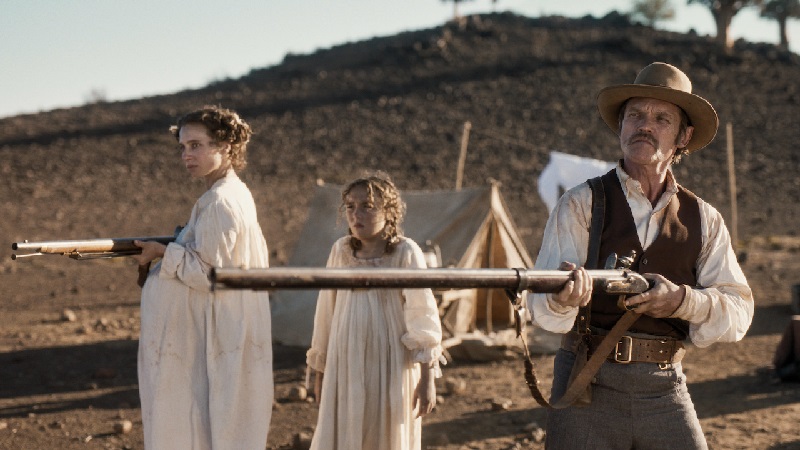
When moviegoers think of the Western genre, images of dusty American plains and iconic Hollywood tropes usually come to mind. Yet, South Africa possesses a vast, dramatic and unforgiving landscape perfectly suited to the genre – a frontier that remains criminally underutilised in local cinema.
With The Trek, director and cinematographer Meekaaeel Adam sets out to change that, delivering a progressive, multi-genre cinematic experience that reclaims the Western for South African storytelling.
In an in-depth conversation with Spling, Adam unpacked his transition from DP to director, the art of stretching a budget without sacrificing production value and why the South African landscape deserved to be the film’s true main character.
From DP to Director’s Chair
Taking the directorial helm of The Trek was never Meekaaeel Adam’s original plan. A cinematographer by trade, Adam spent his early career strictly focused on lensing stories from behind the camera.
“My career has always fully been focused as a director of photography or an aspiring one from varsity days… Even at varsity, I avoided directing,” Adam laughs. “Initially, I was just on board for The Trek as the DP. That’s how the story begins.”
However, when previous directors attached to the project passed – viewing the script’s epic scale as far too ambitious for its allocated budget – Adam saw a challenge that his DP background was uniquely equipped to solve.
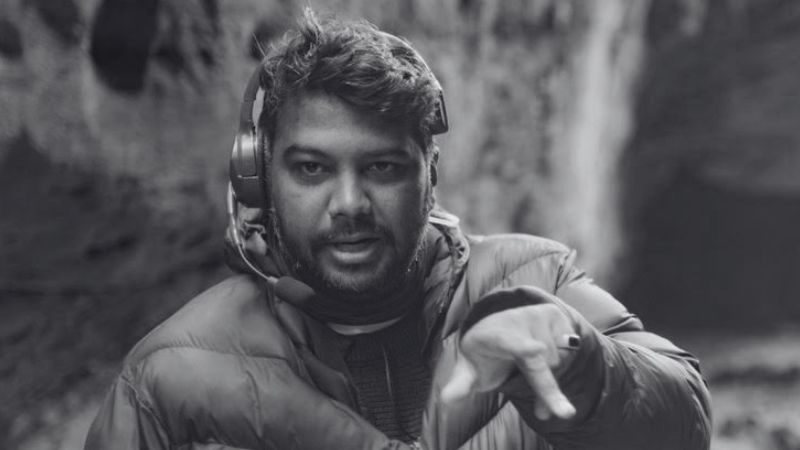
“Working as a DP for most of my career, I’m always on the receiving end of, ‘How do you make a budget work while maintaining production value and scale?'” he explains. “All the problem-solving and cheating that we do to make it seem believable, even though you don’t have all the resources… it didn’t feel as distant to me.”
By stepping up to both direct and shoot the film, Adam joined a long lineage of visual directors who operate through the viewfinder, citing figures like Steven Spielberg, James Cameron and David Fincher.
“Perhaps it feels foreign because here in South Africa, we always play into the regimented structure of how crews come together by seat, position and designation,” Adam notes. “But it actually isn’t as unusual for a director to have the skill sets of a DP, to be able to lens it and appropriately capture it.”
Reclaiming the Wild West for South Africa
Once Adam committed to directing, his primary drive was ensuring this rare opportunity to craft a homegrown Western didn’t slip away.
“As a DP, I didn’t want to lose a Western. We don’t get this opportunity often, regardless of scale,” he says. “Not many people have exploited this particular genre within South Africa colloquially. Storytelling is just so distant – if you try to tell a Western, you’re either falling into American accents being stretched a little too far, and it just doesn’t look like America.”
Rather than imitating Hollywood, Adam wanted to lean into the authentic beauty of South Africa’s own backyard.
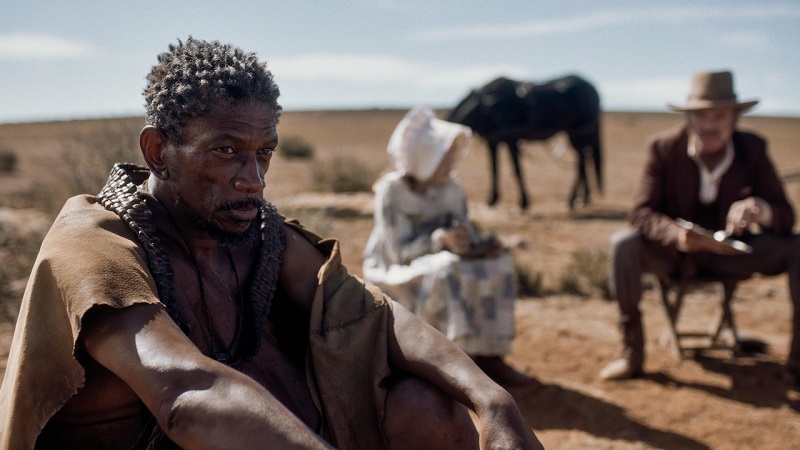
“What we have is great. Our geography, especially on this side of the world… there is so much possibility,” he insists. “If foreigners can come here and represent every other city in the world, surely we can make the natural beauty stand out. Its contours, its curves, the sky – it’s right there waiting for us. Australia has done the same thing… We have our strengths; we need to lean in on them.”
Avoiding Hollywood Influences
When tackling a gritty frontier narrative, the temptation to lean on established cinema classics is always present. During development, team members frequently pointed Adam toward visual benchmarks like There Will Be Blood and The Revenant. However, Adam made a conscious decision to steer clear of them.
“I actively did not watch any of those movies,” Adam reveals. “It’s so easy to subconsciously borrow and steal from films that exist in the same kind of vehicle of storytelling. I get very fearful of that. I don’t want to ever feel like it’s a carbon copy.”
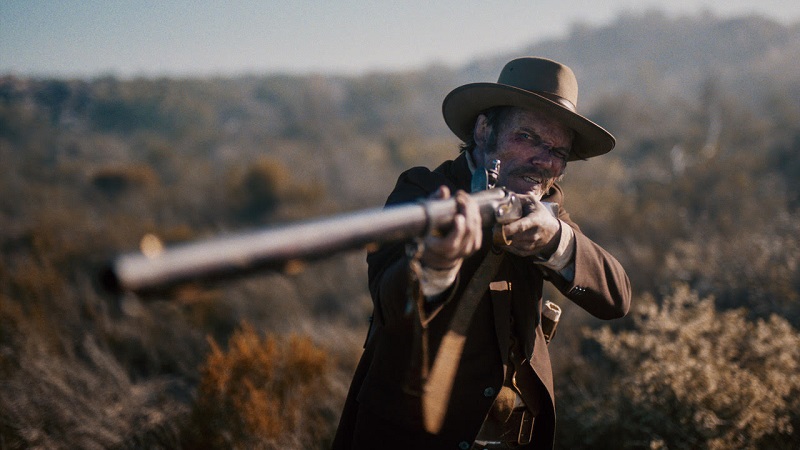
Rather than mimicking the visual choices of Hollywood blockbusters, Adam trusted his cinematographer instincts to react organically to what was right in front of him on set, ensuring The Trek developed a distinct visual voice rooted entirely in its own soil.
Letting the Landscape Speak
To capture the soul of The Trek, the environment couldn’t merely serve as a passive backdrop; it had to act as an active, breathing character. Following extensive location scouts, drone tests and lighting analysis, Adam chose to let the landscape dictate the film’s visual strategy rather than forcing rigid pre-visualised ideas onto the terrain.
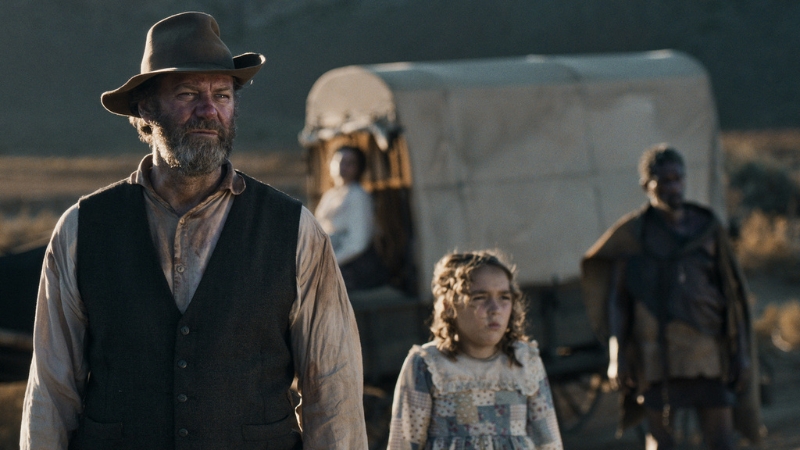
“Because the land is a character in this movie, I really let it speak to me,” Adam reflects. “Often when you go in with these pre-viz ideas, you end up getting stuck in corners and becoming precious about things that aren’t necessary. Being more present and acknowledging what’s there allows you to really formulate something that fits the actual environment.”
This pragmatic, environment-first approach allowed Adam to extract maximum production value from every frame, adapting to the elements – including a shoot-shortening dust storm – to create a poetic, visually arresting world.
Respecting the Audience’s Intelligence
Ultimately, Adam’s dual role as director and DP allowed him to craft a lean, atmospheric film that trusts its audience rather than spoon-feeding them plot points.
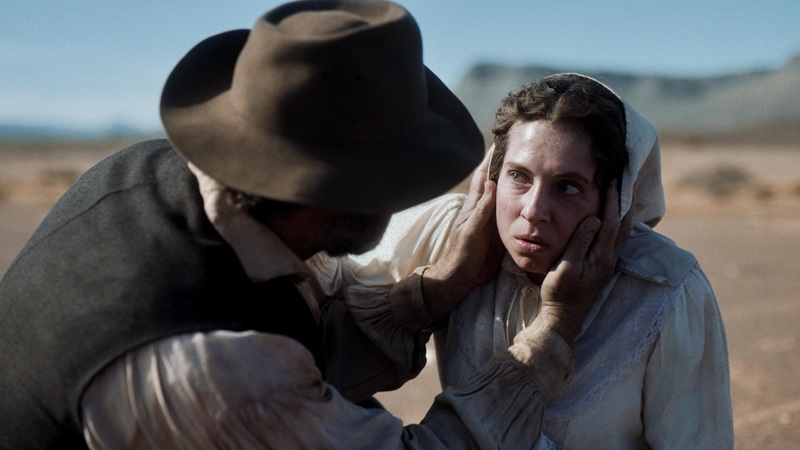
“I really don’t feel like our audience is dumb, and I don’t want to make anything that caters to that,” Adam asserts. “If this is our first attempt, I am very confident that the next film we make can only be better, stronger, and that much more entertaining for a real South African audience looking for something with depth – that speaks to us, isn’t skirting anything, and calls it what it is.”
“It’s Our Movie, Not Mine”
Despite stepping into the dual roles of director and DP, Adam actively dismantled the traditional, rigid set hierarchies often found on film productions. Driven by a high-EQ approach to leadership, he encouraged an environment where crew members and heads of departments had real creative input – even inviting team members up to the monitor to share their ideas.
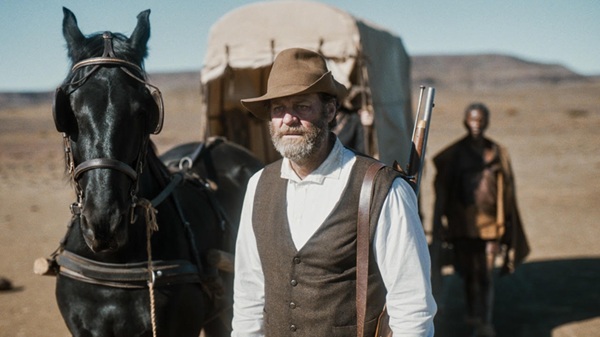
“Real collaboration is finding out what others care about, and showing them that you care about it too,” Adam says. “You can have five different creative ideas flying around set on one scene. If someone whispers an idea, I say, ‘Come here. Come to the monitor, we share this… let’s try it.’ Prioritising them always gave me more.”
That open dialogue created an unshakable team spirit that kept the cast and crew motivated through the punishing heat and desert sandstorms.