Rob van Vuuren on Surviving the Harsh, Beautiful Shoot of ‘The Trek’
When actor Rob van Vuuren steps into a project, he brings a unique pedigree: a rare blend of physical comedy, theatrical precision and raw dramatic gravitas. But nothing quite prepares a performer for the punishing, poetic expanse of an isolated period shoot in the desert.
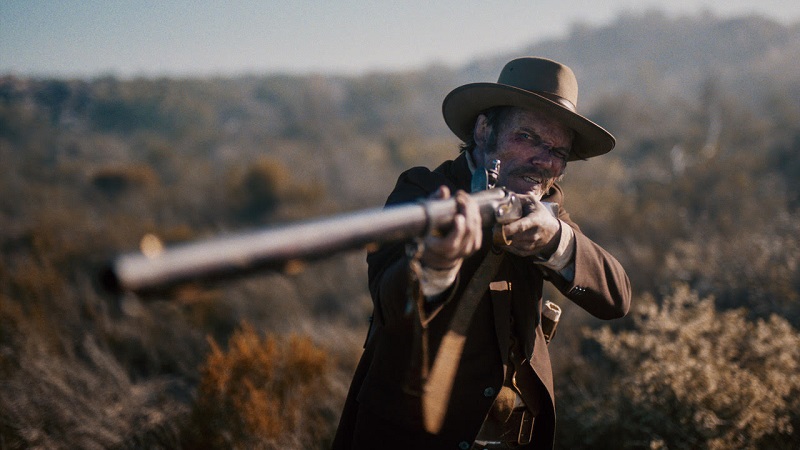
In The Trek, a genre-defying hybrid that van Vuuren warmly describes as “a post-colonial, supernatural, Gothic horror, Western, neo-Western thing,” the landscape isn’t just a backdrop – it’s an oppressive, active force that relentlessly strips its characters down to their most primal instincts.
Sitting down to discuss the Western horror drama, van Vuuren opens up about surviving extreme weather, working under a visually driven director and why a gruelling shoot in the dust became one of the most cherished experiences of his career.
The Landscape as an Active Character
At the visual heart of The Trek is director Meekaaeel Adam, a seasoned cinematographer turned director whose eye for scale, light and composition reshaped how the cast interacted with their environment.
“Even before we started shooting, seeing his showreel gave me complete confidence,” says van Vuuren. “I immediately went, ‘This guy is going to make this look beautiful. He’s going to shoot this landscape so beautifully.’ You know straight away you’re shooting a proper cowboy Western out in the desert.”
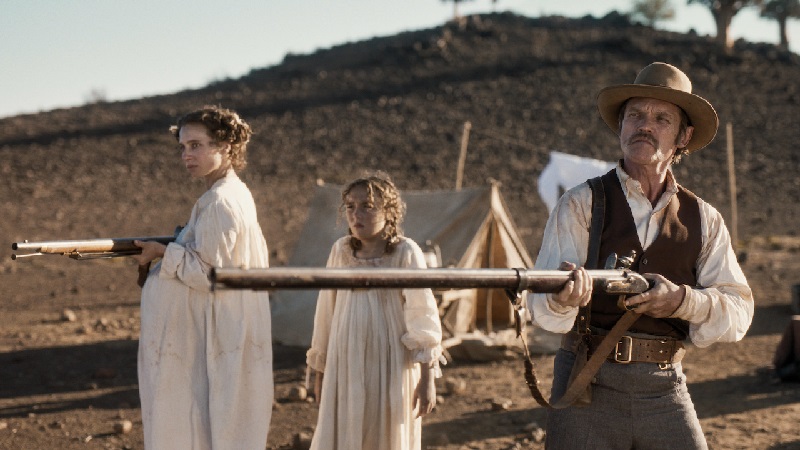
For van Vuuren, Adam’s background behind the lens meant that performance became an intricate choreography with the camera itself:
“Meeks has the grace and actual skill as a director to allow actors to bring their own energy, while seamlessly weaving us into these massive, deliberate camera movements. It becomes a dance – understanding how bodies exist within the frame and how the lens captures weight and movement in vast space.”
In The Trek, the characters are lost both geographically and spiritually, adrift in a terrain that feels almost extraterrestrial.
“It’s that feeling of complete isolation, of being adrift with no fixed points or markers to anchor yourself,” van Vuuren notes. Essentially an alien in a land that’s completely uncharted, “That feeling of unease is what strips the characters away to their most basic, bare, horrific, primal selves.”
Blistering Days, Freezing Nights: The Reality of the Shoot
Filming an authentic period piece in remote desert conditions leaves little room for cinematic comfort. The production faced the full brunt of nature’s harsh swings:
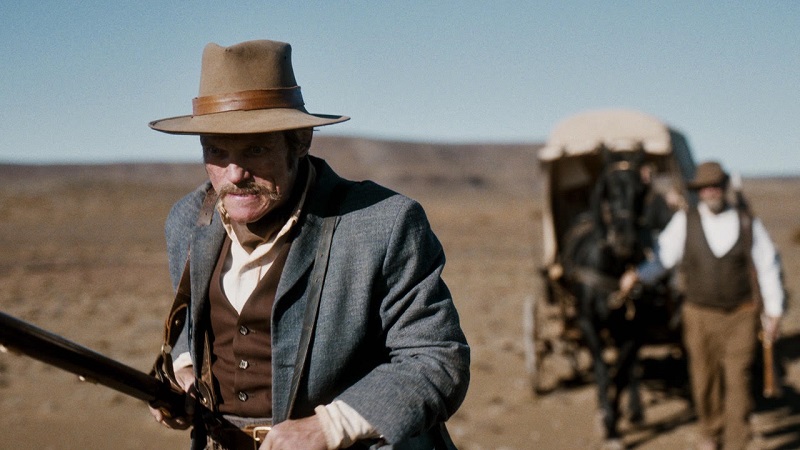
The project was subject to severe temperature swings where scorching, blistering daytime heat giving way to sub-zero freezing nights. Shooting deep in the wild, the schedules were relentless with overnight shoots in complete pitch-black darkness. Being 40km from the closest town, the production had to function on limited resources due to their logistical isolation. While these restraints could have dampened spirits, the brutal conditions galvanized the cast and crew into an airtight unit.
“As severe as the elements were – and they were severe, super cold nights, hot days, shooting through the night out in the middle of nowhere – you’re going through it together. You’re surrounded by an incredibly dedicated, highly skilled crew and an astonishing cast. From day one, you know it’s a once-in-a-lifetime experience. The hardship actually adds to the magic of it.”
Tragic Flaws & The Comedy of Desperation
In The Trek, van Vuuren portrays Henry Blake, a deeply flawed colonialist whose misplaced entitlement and internal inadequacies drive much of the story’s tension. Despite the grim setting, van Vuuren views Henry’s desperate flaws through his signature holistic lens on acting.
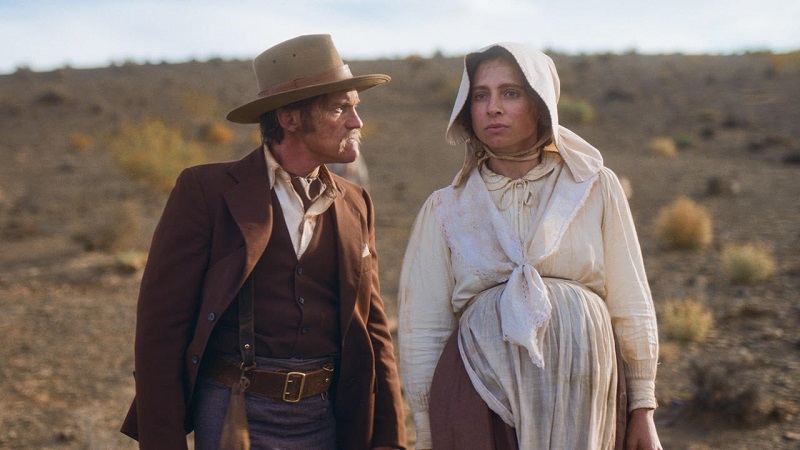
“I don’t see a strict divide between comedy and tragedy,” van Vuuren explains. “They’re two sides of the same coin. Life is both tragic and hilarious at the exact same time. It’s a basic human survival mechanism to find humour in dark places.”
“Henry is a frustrated little man who desperately wants to be noticed and needs to succeed, but he keeps ruining everything. He’s acutely aware of social systems, feeling entitled to be at the top of the food chain, but deeply bitter that he’s at the bottom of that top tier. People who are that fundamentally broken and full of bravado become almost absurd – there’s a tragic clown mentality to his dysfunction.”
Isolation, Camaraderie and Family on Set
When a cast is thrust into an isolated wilderness with a complex script, the process of figuring out character dynamics mirrors their real-world survival.
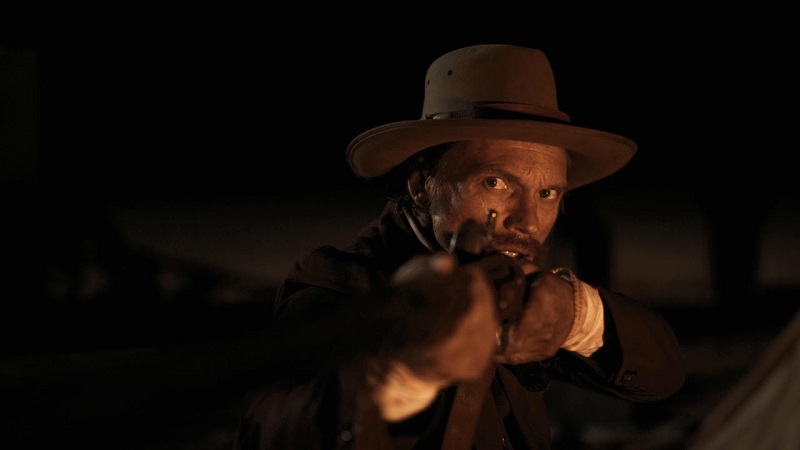
“You don’t have months beforehand to build those bonds – it happens through the shoot itself. You’re in the desert, out in the middle of nowhere, working through a script that leaves a lot open to interpretation… asking ‘What do you think is happening here?’, that becomes a deeply rewarding bonding process.”
A Personal Highlight in the Wilderness
Beyond the cinematic triumph of the film, van Vuuren’s fondest memory from the entire shoot remains an intensely personal one: his daughter joining him on location.
“My daughter came out with me for a couple of weeks on the shoot, and it was just magical,” he smiles. “To experience that incredible landscape with her, for her to see my work up close… she was up early, doing night shoots with me, keeping up with her schoolwork, and making firm friends with young Leah [who plays Karolina].”
“Looking back three years later, seeing them at the premiere as teenagers now, it brings everything full circle. Driving through those vast desert roads together and sharing that world with her is a memory I will cherish for the rest of my life.”
The Trek stands as a testament to what happens when bold genre storytelling meets uncompromising real-world landscapes – a haunting, beautifully shot epic carved straight out of the dust.